
Get-Your-Mitts-on-a-Great-Book-phdaaixgzcap27bzkuanev758jo84rhaxcv8b8kqrs

Get Your Mitts on a Great Book: The EBLI Team Shares Their Favorites

The joy of reading and getting immersed in a great book is one of the main reasons we are obsessed with teaching kids and adults so they become proficient readers.

Deviating from my typical format, this blog post will introduce you to the EBLI team, some of their favorite books, and why they love them. There is a mixture of books to be read to children, for children to read, and for adults and their reading pleasure.

With one exception (from my list – I couldn’t help myself), these books do not have to do with teaching reading.

There is a treasure trove of gift ideas here…enjoy delving in!

Alissa Britten: Social Media, EBLI Instructor
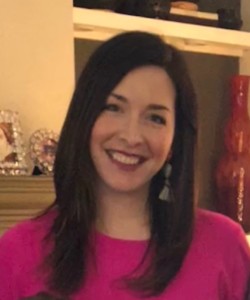
Alissa Britten: Social Media, EBLI Instructor

Growing up, I don’t remember reading very many books because it just wasn’t something that anyone in my family did. However, this book is one that sticks out to me. I remember being swept up in the imaginative world Fern experienced with the farm animals, loved the different characters, and was concerned about what would happen as the story played out. 

This captivating fictional story is about Esperanza Ortega and her family’s life in Mexico, and later the United States, during the 1920’s. Esperanza’s world gets turned upside down as they face loss and countless challenges throughout the story. It’s an immersive story that quickly became my own daughter’s favorite book, which drew me to it out of curiosity. I enjoyed reading it with one of my students and look forward to sharing it with future students as well.

This is my favorite book that I’ve read as an adult. I found Glennon’s honesty with her personal experiences compelling, and her thought-provoking ideas and questions stirred within me long after I’d finished the book. For me, this book inspired a shift in some old thought patterns and opened up a new awareness not only as a woman, but as a mother of two young daughters. 

Katie Curtis: Technology, EBLI Training Support
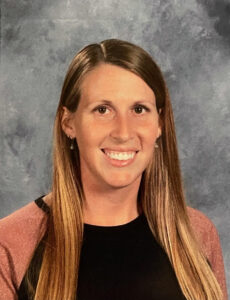
Katie Curtis: Technology, EBLI Training Support

I’m always drawn to stories that take place during the Holocaust. This one is about the friendship between a Jewish boy and the son of a Nazi commander, both completely unaware of the world they live in. It’s a good reminder to love and respect humanity.Here’s another one that takes place during WWII. All I can say about this book is that I could not put it down.This one is a classic that I read to my class every year. The students always fall in love with the characters, especially Aslan, the lion. I could read this book over and over and never get tired of it!I remember reading this book when I was in 3rd grade, and it is still a favorite to this day. If you enjoy animal characters, you really can’t go wrong with any book written by E.B. White.Kaitlyn (Katie’s kindergarten daughter) wanted to share her favorite book, too. It encompasses everything she loves most in this world- cats, babies, and rainbows. The illustrations are beautiful!

Cricket McCarthy: Video Team Lead, EBLI Instructor
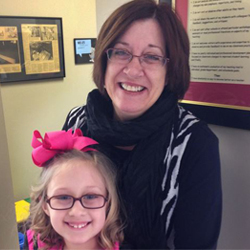
Cricket McCarthy: Video Team Lead, EBLI Instructor

Coming from a family of 13, I remember I was so jealous that Frances, a picky eater, got to eat bread and jam for every meal and I had to eat whatever was put in front of me.  The moral of the story was that it’s not so great eating the same thing over and over. There is joy in eating a variety of foods, which I discovered through Frances! 

This is my favorite bedtime story that I often read to my 3 girls!

I read this in my 9th grade English class and thus began my love of reading! The way the story was told thru through the eyes of a young girl kept me on the edge of my seat. The classroom discussions after each chapter kept me intrigued throughout the whole story. It’s still my favorite book to date! 

LouCyndra McDonald: Training Coordinator
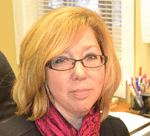
LouCyndra McDonald: Training Coordinator

This book takes place in the 1850s during the Gold Rush in California.  I love historical romance novels and this book has such a positive message of love and forgiveness.  This is my all-time favorite book.  I have read it many times.

This is the story of the American missionaries Martin and Gracia Burnham who were taken hostage while away for their anniversary celebration for a year in the Philippine jungle. It is a powerful and moving story of grace and forgiveness. 

I love this book because it is a short chapter book of the Christmas story from the very beginning of time.  We would read this to our boys every night during the Christmas season ending on Christmas Eve.  It is beautifully illustrated and written.

This was one of our favorites when our kids were little.  My husband and I would take turns reading the parts of the male and female dogs in the story and act out the parts about their hats.  Our kids would laugh at us. It was one of their favorites growing up.

Shannon Olsen: Materials Editor, EBLI Instructor

Shannon Olsen: Materials Editor, EBLI Instructor

I read this during and between Zoom meetings with my nephew in Oregon, and am SO glad I did!  The trials and tribulations that these two men endured to make their flying machine available to the public is literally unbelievable.  These two small town Ohio men were the hardest working people I’ve ever learned about/met (besides Nora!!)  LOL Their level of integrity and problem solving capabilities were unparalleled (again, except for Nora).  If you desire something to inspire you to stay the course when you feel like giving up, read this.I love reading this with my beginning readers.  Pete is such a chilled out character and this one about dressing in all the clothes his friends like and then finally ending up wearing what he likes and what he had on to begin with makes us think about that: Be YOU!I’m sorry but these just crack me up.  There are so many goofy stories to giggle at with your beginning reader!  But the one I like best is Floating Goat. The pictures are always humorous!  Of course, read the text first with pics covered.  Then reveal the hilarious pictures. Sometimes my little students and I are laughing until our eyes water!  

Molly Woodworth: Finance Director
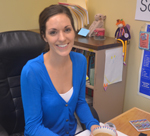
Molly Woodworth: Finance Director

My favorites in this series are I Am Peace, I Am Love and I Am Human.  They are wonderful books to use to start a dialogue with our children about learning how to make good choices, managing their emotions and help to guide them as they begin to navigate this crazy world. As a fun added bonus there is usually a guided meditation or exercise in the back of the book to provide additional coping strategies to eager readers! 

This book is for fairly young readers, maybe 10-12 years old, but it was the only chapter book I ever read from cover to cover in school. And I loved it. It’s a clever and goofy murder mystery book that held my attention enough to actually finish a book for once!

I just learned this series now has 4 books to it! It remains my absolute favorite thing I have ever read. I learned so much history while being completely sucked into the characters and their relationships. I loved how the books spanned generations. 

Hannah Riopelle: Operations Director
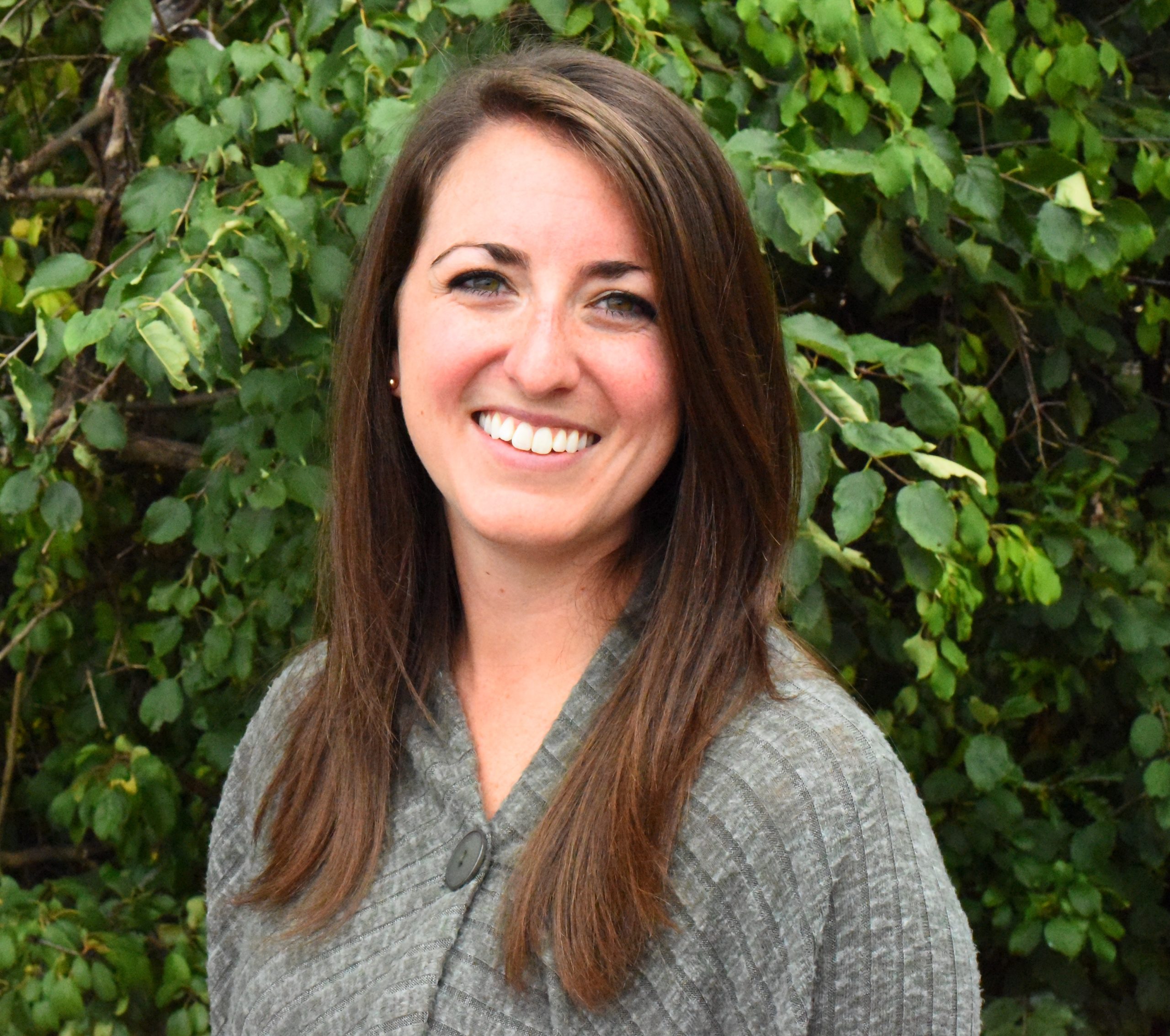
Hannah Riopelle: Operations Director

I’m a big fan of The Wonky Donkey because it’s goofy and adorable, and our son loves it! He makes the donkey sound and asks to have it read to him often.

Where the Red Fern Grows has stuck with me for years – since I read it for the first time in middle school. I’ve reread it several times since then. It’s one of the best, sweetest, most bittersweet tales I’ve ever read!

Nora Chahbazi: Founder and CEO
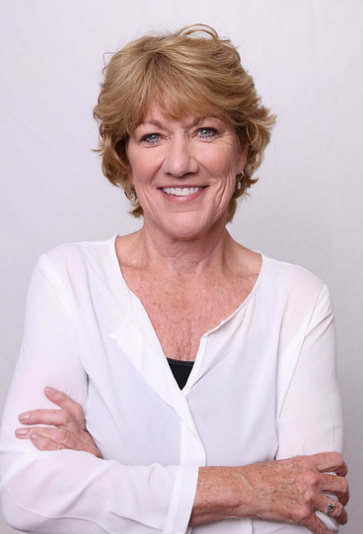
Nora Chahbazi: Founder and CEO

This book is a fantastic example to children about how to be their own unique person. It shows, in a very entertaining way, how following the crowd for the sake of following the crowd can go very wrong.

I read this book as a teen and it sparked in me a lifelong curiosity about the Holocaust and how typically good people can be influenced to do horrific things. Anne’s spunk and determination throughout her ordeal have always been an inspiration to me.

This book is non-fiction, based on the story of an officer in the Vietnam War. It spoke to me in a significant way as it showed very clearly that what we are told is going on in a situation can be completely different than the truth. It was an enlightening, educational read for many reasons. 

This book is the first I ever read (that made sense) about how reading is taught and how it should be taught. That was back in 1997 and it remains my favorite. It goes against the grain of instruction still today, but it contains the answer of how to turn around the literacy crisis. I’ll be forever grateful to Diane McGuinness for writing it and leading me on the path to teach my child, and then countless other learners and teachers.
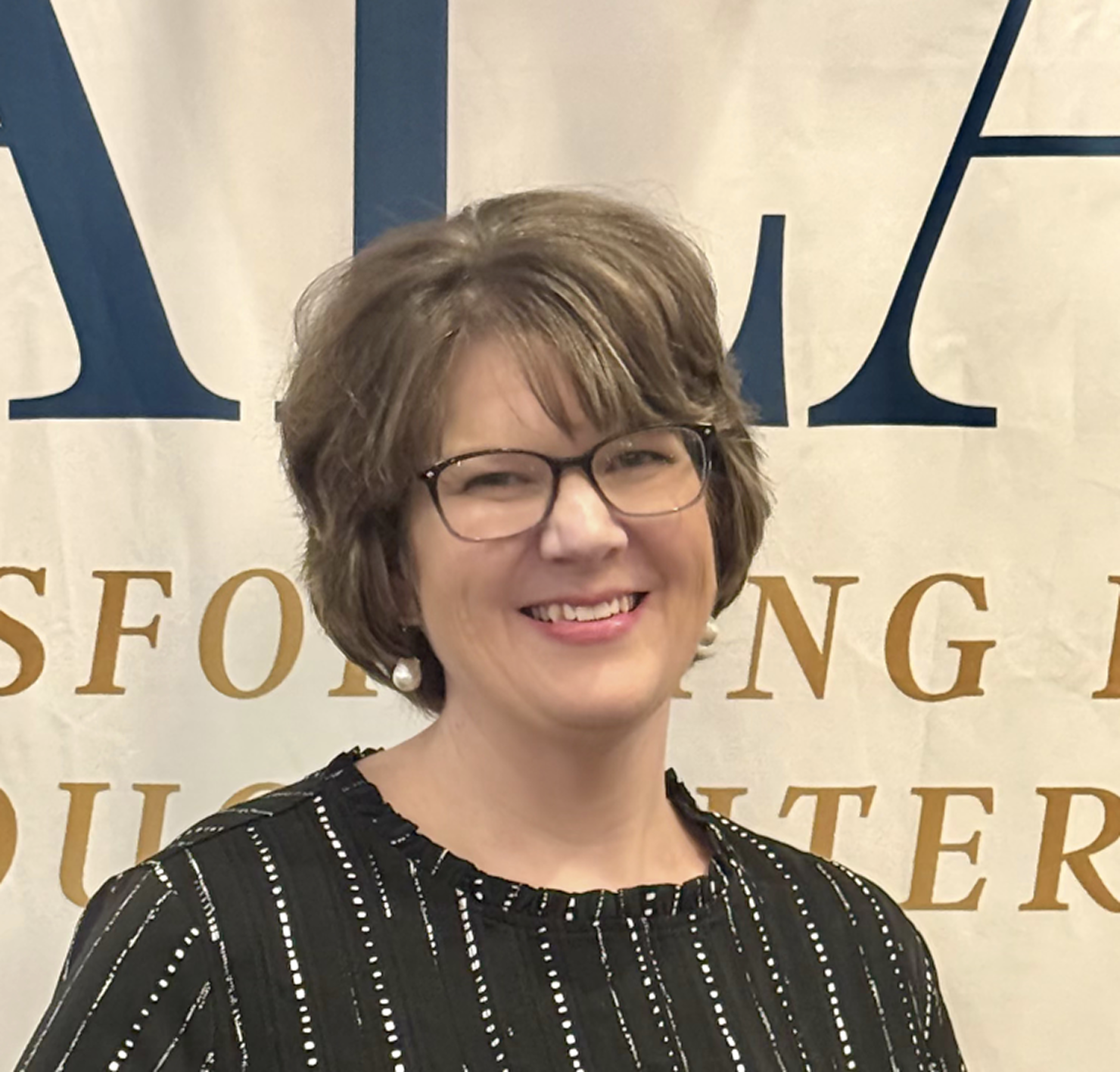
Stephane Bolton has spent more than two decades teaching first graders to read. She holds a Bachelor’s degree in elementary education, a Master’s degree, and an Education Specialist degree — all from the University of North Alabama. In 2011, she received National Board Certification and renewed it in 2020. She has served as an instructional coach and an assistant principal. By any measure, Stephane was already an accomplished literacy educator.

But she wasn’t reaching every student.

Bolton had trained extensively in phonics instruction over the years — first through the Alabama Reading Initiative, then through LETRS and Orton-Gillingham. Each step forward clarified the picture. As she told journalist Holly Korbey in The Bell Ringer, the Science of Reading training helped her see the puzzle pieces more clearly, and things began to make more sense. But a handful of students continued to struggle, year after year.

Then she discovered EBLI.

The Shift

Bolton found EBLI through the Accelerate Literacy Summit — almost by accident. What caught her attention was how the method streamlined phonics instruction: fewer rules for students to memorize, a lighter cognitive load, and a focus on students picking up sound-letter patterns in words and applying them to reading and writing. It was a fundamentally different approach — Linguistic Phonics, rooted in the speech-to-print methodology that starts with what students already know (spoken language) and maps it to print.

She paid for the training herself.

The Results

What happened next in Stephane’s first-grade classroom during her first year teaching EBLI was remarkable.

2024–2025 School Year (Bolton’s First Year Using EBLI):

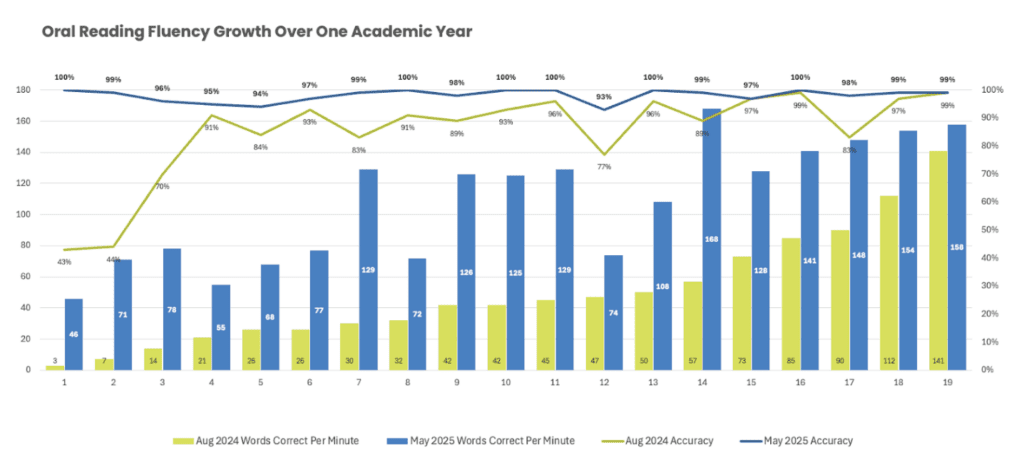
Beginning of year (August 2024): 

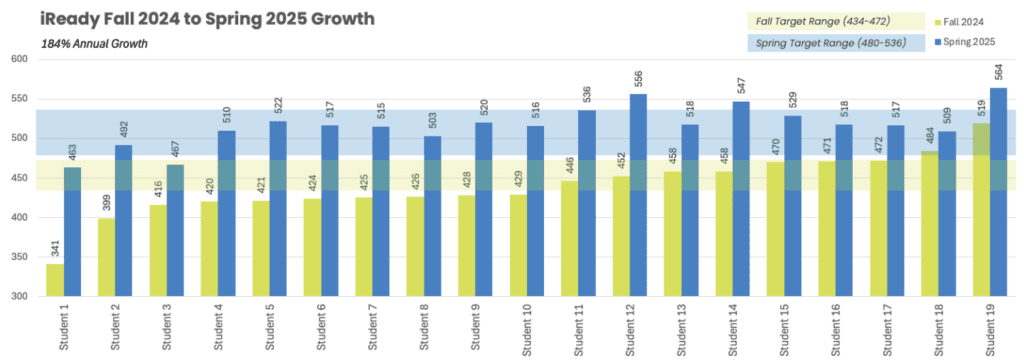
  • 37% of her class was at grade level on the iReady assessment.
  • The average wpm (words per minute) on DIBELS for the 19 students was 46.9.
  • The average accuracy on DIBELS for the class was 84.9%


End of year (May 2025):

  • 100% of her students were reading at or above grade level on iReady (+63%)
  • Median of 184% of typical growth for iReady
    • The average DIBELS wpm for the class was 108.2 (+58.6wpm)
      • EOY Benchmark for 1st grade is 91 wpm
    • The average accuracy was 98.1% (+13.2%)
      • EOY 1st grade benchmark for accuracy is 91%.
  • Every student was independently reading chapter books by year’s end.

DIBELS Results 8th Edition – Correct Words Per Minute and Percent Accuracy

In Her Own Words

In September 2025, Bolton shared this reflection on her experience with EBLI:

"EBLI has completely transformed the way I teach and the way my students learn. During my first year using EBLI, every child in my class experienced remarkable growth. Struggling readers made leaps that once felt out of reach, while fluent readers progressed far beyond grade-level expectations. One thing that makes EBLI so powerful is its seamless integration of phonemic awareness, phonics, fluency, vocabulary, comprehension, handwriting, writing, and spelling. These skills aren't taught in isolation. Instead, they are woven together in every EBLI activity, giving students constant practice with high-leverage skills. Built on cognitive science, EBLI instruction feels clear and efficient. It reduces the cognitive load for both students and teachers so we can focus on what truly matters. In my classroom, EBLI is everywhere! Reading and writing flow naturally through every subject, and the activities are so engaging that students often beg to do them as rewards. I've watched my first graders grow into resilient, flexible thinkers who genuinely love learning and reading! EBLI has given me more than a method…it has given me a mission! My passion to join EBLI in 'teaching the world to read' now stretches beyond my classroom of students. I've started tutoring during planning times at school and even opened a private practice over the summer to reach more learners. Teaching with EBLI doesn't just feel like instruction; it feels like a calling, because every person deserves the richness of a literate life."
Stephane Bolton
First Grade Teacher, Kilby Laboratory School

Who Is Stephane Bolton?

Stephane is the first-grade supervising teacher at Kilby Laboratory School, a public laboratory school on the campus of the University of North Alabama in Florence, Alabama. Kilby is ranked among the top 5% of elementary schools in Alabama for overall test scores, with 80–84% of students achieving reading proficiency — compared to the state average of 47%.

Accomplishments: 

Two articles about her EBLI experience published in peer-reviewed journals: 

Recipient of ALA Outstanding Literacy Teacher Award, 2025

Recipient of ALA Outstanding Literacy Teacher Award, 2025

Founded Primary Patchwork Learning Center, 2025

  • Stephane teaches EBLI privately to students after school, on weekends, and during the summer.

Goyen Literacy Fellow, 2025

Presenter (by request), Alabama Literacy Association conference, Fall, 2025

  • Follow the Yellow Brick Road: A Speech-to-Print Journey to Stronger Literacy

Featured Holly Korbey’s “The Phonics Wars” article, February 2026

Why This Matters

Bolton’s story matters because she is not a newcomer. She had decades of training in teaching reading, Science of Reading frameworks, and evidence-based practices before she found EBLI. She had already been doing the work. And yet, it was the shift to Linguistic Phonics — the speech-first, streamlined approach that EBLI uses — that closed the gap for the students she hadn’t been able to reach before.

Her experience mirrors what EBLI’s independent research has shown across larger studies: in a Michigan study of 815 students across 35 classrooms, 58% of K–4 students met fall-to-fall growth expectations with EBLI, compared to 42% in the pre-EBLI cohort. In a Massachusetts intervention study, 37% of students reached grade level and 88% passed the state assessment. And in Grand Rapids, the percentage of students at or above grade level rose from 40% to 70%.

Bolton’s classroom data adds a powerful individual case to this growing body of evidence — one teacher, one classroom, and the outcome every educator hopes for: every student reading.

Want to learn more about EBLI training? Explore Training Options 

See the full research behind EBLI: View Evidence

 
  • Bolton, S., Tomlinson, A., Kirkman, E. (2025) Elevating Literacy Through Evidence-Based Practice: A Case Study in Innovation at Kilby Laborators School, IALS Journal. Read the Journal. 
  • Bolton, S. (2025) Teaching with Clarity: The Power of Speech-to-Print Instruction, The Reading Paradigm (2025). Read the article
  • Bolton, S. (2025). Teaching less and learning more: Five shifts that maximized growth. Science of Reading Classroom. Read the post
  • Bolton, S. (2025). “A Closer Look at EBLI: Bringing the Five Shifts to Life.” Science of Reading Classroom (Substack). Read the post
  • Bolton, S. (2025). “Fluency in 1st Grade: An Introduction.” Science of Reading Classroom (Substack). Read the post
  • Korbey, H. (2026). “The Phonics Wars.” The Bell Ringer (Substack). Read the article
  • EBLI Facebook page, sharing Bolton’s data from the 2024–2025 school year
  • Goyen Literacy Fellowship. Goyen Foundation. Learn more
  • ESSA Research on EBLI, independent efficacy studies. See results

Share this post

Recent Blogs

×