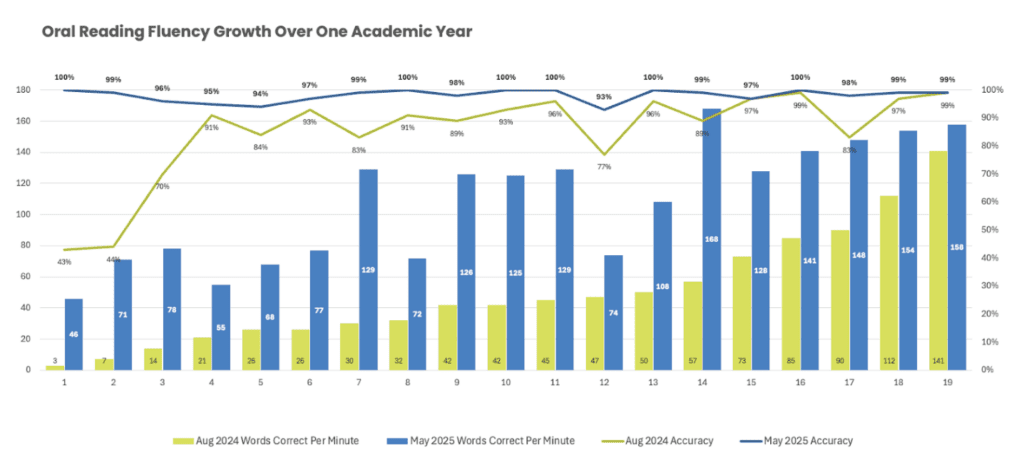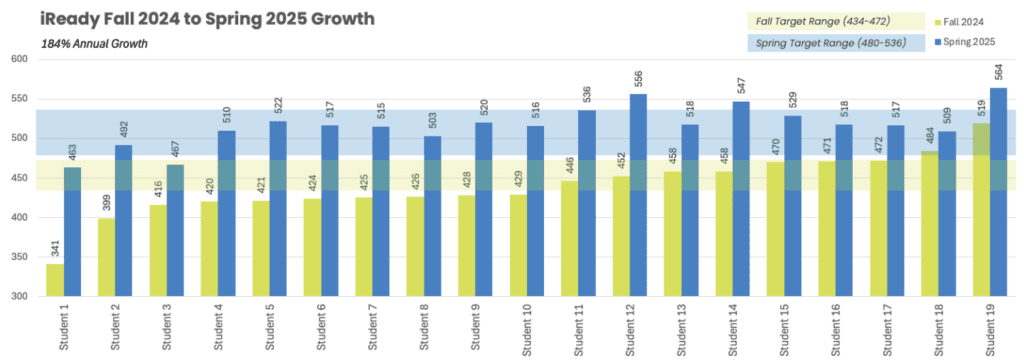

The point of all reading instruction is for the learner to be able to accurately and automatically read the words on the page so they are able to understand what they are reading. In previous blogs, I have focused on the problems with pretend reading, how to motivate students, effective, efficient, explicit instruction to teach the English alphabetic code, the importance of Phonemic Awareness instruction, and integrating instruction for the best results in advancing student proficiency. In this blog, I’ll share the importance of supporting students as they become adept readers and how to help them advance to higher and higher levels in reading. You also won’t want to miss the Improve Fluency & Comprehension webinar (which goes along with this blog).
Improve Fluency and Comprehension – Supportive Strategies to Improve Reading
Teachers and parents want children to love reading and understand what they are reading. Because of this enthusiasm, facets of reading instruction are often rushed through or avoided altogether. As outlined in previous blog topics, this practice can make it appear that a child is reading accurately and comprehending in the younger grades when in actuality, they have memorized or guessed words and used picture clues to figure out the text. Like a house of cards, these strategies will fail many students once they reach 2nd – 4th grade.
If students move to higher grades with holes in their foundational skills and information, these holes need to be filled in order to help these children reach their highest potential with comprehending text they read or attempt to read. The good news – in my experience with teaching thousands of older students and adults – is that most of these older students move swiftly to proficiency in a matter of hours with targeted, explicit, advanced word level instruction to fill these holes.

For both emerging readers and older readers, a teacher, parent, or other support person should be doing explicit instruction to advance word attack skills (ability to accurately read unfamiliar words they encounter in text) while also providing opportunities for the student(s) to use these skills while reading connected text. For emerging readers, this is accomplished with decodable text with simpler code transitionally and for older readers this is with supporting the student(s) as they are working toward becoming both accurate and automatic at reading the words on the page.
Even the very best foundational skill instruction will not help learners reach their highest potential if they are not using what they have learned to read in connected text. The explicit instruction is done in parallel to reading in text, as well as writing. The application of skills, concepts, and information learned in reading and writing is what greatly accelerates the literacy proficiency of students. This blog discusses how instruction of isolated pieces of literacy without explicitly connecting them together can stunt student outcomes.
The process we use with EBLI is our Read, Read Back, Read Again activity. This is an activity that can be done whether you have been explicitly teaching the code to your student(s) or you do not have the training or information on how to teach the code but want to support the reader to improved accuracy, fluency, and comprehension. Of course, learners who are explicitly and systematically taught how to manage the code will advance further and faster than those who are given the error correction without instruction on how to move to self-correcting misread words when reading. It is akin to being given a fish or learning how to fish. Both are beneficial in the moment, but learning how to fish is more beneficial in the long run.
The EBLI Read, Read Back, Read Again process is always done with the teacher or support person across from the student who is reading. This is the case whether teaching whole class, small group, or 1:1. Other students follow along as the student reads. This allows the teacher or support person to provide error corrections in the moment for the student reading, which all other students benefit from too.
The first part of the EBLI process for reading in text is ‘Read’. This refers to the student reading the text first, not the adult or support person. Ideally, it is a book, article, or text the student has not read previously. The goal of this step is accurate word reading. By having the student read unfamiliar text first you are able to do a formative assessment of their word reading accuracy and where they are making mistakes. If a student misreads a word, you provide a correction in the moment, not at the end of the sentence or paragraph. If you are providing explicit instruction in the English alphabetic code, the error correction would be to provide the correct sound (if they say ‘greet’ for ‘great’, show them the ‘ea’ and tell them “Say /ai/” then have the student apply the correction. If you are not familiar with how to provide explicit instruction, tell the student ‘Say great’ and have them repeat the word then continue on. You can also provide information about word meaning as appropriate during this phase of the instruction.
The most important takeaways from this step in the process is for the error correction to happen in the moment, for the correct sound/word to be said by the child reading, and to avoid guessing or looking at the pictures to figure out the words. If you just tell the child the word and they do not repeat it, there is a slim chance that they will gain any benefit as they were not participating in the error correction. Other students are following along in the text so they are getting the words under their eyes too, while also hearing the corrections provided. Redirecting when there is an error is critical as you want the last thing imprinted on the student(s) brain to be the correct word. Refer to the How to Motivate and Engage Students blog to learn about effective behavior management techniques to use while using this process. The student will read a sentence, several sentences, or a paragraph. The length of reading depends on the ability of the student.
The second part, Read Back, is done by the teacher or support person immediately after the student has read their portion and been given corrections for misread words. The goal of Read Back is for the student to hear the fluency and prosody (timing, phrasing, emphasis, and intonation) of the reading as well as pausing or stopping at punctuation. The student follows smoothly with their finger as the adult is reading the sentence(s) or paragraph.
The Read Again piece of the process consists of the same student reading the sentence(s) or paragraph again. The goal of this piece is for the student to practice and feel the fluency and prosody as well as comprehend what they are reading. If a student misreads a word at this point, the teacher tells them the entire word and has the student repeat it then continue to read. Depending on where the word is in the sentence, they may re-read from the beginning of the sentence.
Moving into reading in text is the goal of all we do with reading instruction. At the end we do activities with summarizing and expanding on the understanding of what was read. In order for learners to have a love of reading, they need to be taught how to do it in a way that they are accurate, automatic, successful, and understanding what they are reading. The joy of reading comes from learners being taught and supported so they transition to becoming excellent, independent readers.